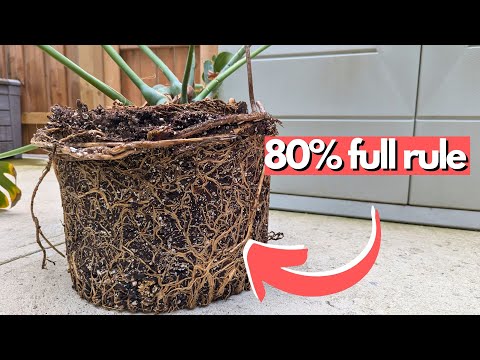
Repotting looks simple (lift plant, add soil, done) but most guides skip the reasons plants collapse afterwards. Wrong soil and an oversized pot account for most failures. Unnecessary root disturbance is the third culprit — and the one many guides actively make worse.
Short verdict
For a full understanding of why repotting goes wrong and how to prevent it, watch Kill This Plant's 13-minute explainer. It is the only video here that covers timing, soil composition, pot size, and the biology that connects all three. If you want a calm expert walkthrough of the physical steps before you touch a trowel, the Washington Post clip with garden columnist Adrian Higgins is three minutes well spent. Paige Tailyn's short is the best corrective for anyone who has already killed a plant after repotting and wants to know exactly what went wrong.
The ranking
1
Best overall
this is why your plants die when you repot them
Kill This Plant · 13:39 · Sep 2024
Kill This Plant's Lee runs through five reasons houseplants die after repotting — from timing and soil choice to pot sizing — and demonstrates a full repot of a Thai constellation monstera using a peat-free, chunky soilless mix in a clear plastic pot. The video explains the biology behind root rot (oxygen depletion, bacterial growth) and why outdoor plants cope with wet soil in ways indoor ones cannot.
Why it ranks here: This is the only video in the evidence pack that asks why before asking how. The section around 7:05–7:10 — 'in reality all of that extra soil is killing it' — names the most common beginner mistake in a single sentence. The clear-pot demonstration at 8:24–8:29 shows how to monitor roots without disturbing the plant. A professional nurseryman in the comments, with over 50 years' experience, confirms that over-potting is 'by far the major killer of indoor pot plants.' Thirteen minutes; earns every one of them.
~13 min · intermediate · covers multiple plant types
2
Best for beginners
How to repot your plant and keep it alive.
Washington Post · 3:31 · Mar 2019
Washington Post garden columnist Adrian Higgins demonstrates a single complete repot — moving a plant from a 6-inch to an 8-inch pot — narrating each step: teasing roots, setting the correct soil height, packing out air pockets, trimming dead foliage, and watering in. The approach is calm and methodical, with particular attention to getting the crown height right in the new pot.
Why it ranks here: Higgins explains the purpose of each action rather than just showing it: why you tease roots ('I want them to think they're back in the jungle'), why you pack out air pockets, why crown height matters. The point at 1:17 — that you can safely remove up to a quarter of the root mass in spring without lasting harm — is absent from most of the other videos here. Viewers call him 'the Bob Ross of plants'; one comment six years after upload confirms it still helped. The tone is the feature for anyone put off by more combative presenting styles.
~3.5 min · beginner · no specialist tools needed
3
Best for correcting mistakes
How to PROPERLY repot your houseplants! 🪴👩🏾🌾 #plantmom #plants #repotting
Paige Tailyn · 2:47 · Oct 2025
Paige Tailyn addresses the viewer who repotted a plant and then watched it die. She covers how to recognise when a plant is ready (watering frequency, crowded roots), the two-inch pot-size rule, why plants belong in nursery pots rather than decorative planters, and when not to disturb the root ball — her default position is to leave it alone.
Why it ranks here: The most practically useful rule in this video is at 2:01–2:11: only remove old soil from roots if the plant has pests or has become hydrophobic; otherwise, leave it. A top commenter (1,296 likes) admitted being guilty of over-handling roots and then wondering why plants kept dying — a habit the video directly corrects. A separate commenter adds root rot as a third valid reason to clear old soil, which the video does not mention and is worth bearing in mind. The style (mock-impatient, direct) is not for everyone, but the information is sound and the whole thing runs under three minutes.
~2:47 min · beginner · no tools needed
4
Solid beginner walkthrough
How To Repot Houseplants! | Repotting Houseplants
Harli G · 6:32 · Aug 2018
Harli G repots a young monstera deliciosa from a 6-inch to an 8-inch pot, showing how to squeeze the nursery pot to release the root ball, inspect the roots, set the plant at the correct height before backfilling, collapse air pockets by shaking and patting, and water in thoroughly to settle the soil. She explains her reasoning at each step rather than just demonstrating it.
Why it ranks here: Useful for the steps other videos rush past: setting the soil base height before placing the plant 2:40–2:54, and the shake-and-pat method for collapsing air pockets 4:40–5:10. At just over six minutes it sits usefully between the quick demonstrations and the full explainer. One verbal slip in the transcript ('6-inch to a 2-inch pot' at 1:28) should read 8-inch — she stated the correct size at 1:14.
~6.5 min · beginner · no specialist tools needed
5
Best for peace lily owners
How to repot a Peace Lily
Hall's Flower Shop and Garden Center · 2:06 · Aug 2016
Marie Forster at Hall's Flower Shop demonstrates repotting a heavily root-bound peace lily into a pot one inch larger, loosening circling roots before settling the plant, backfilling to eliminate air pockets, and watering thoroughly. The video is two minutes and sticks entirely to physical technique.
Why it ranks here: Peace lily owners will recognise the circling root mass shown at 0:08–0:22 and the gentle loosening that follows. The video covers the two points that matter most for a root-bound specimen: opening the roots before planting, and ensuring no air pockets remain. The presenter estimates the plant will stay comfortably in this new pot for at least another year — a useful benchmark for anyone unsure how urgently the task needs doing.
~2 min · beginner · peace lily focus